Selected work

The problems I've worked on, and what they demonstrate.

From cancer mechanics to radiopharmaceutical manufacturing, AI-enabled diagnostics, and medical imaging workflows.

03Selected Work

Work that spans the laboratory, the product, and the real world.

Four projects showing how scientific questions become evidence, systems, products, and delivery.

PROJECT 01

Translational Cancer Research · Can cell mechanics reveal disease state?

Developing Innovative Biomarkers for Cancer Detection

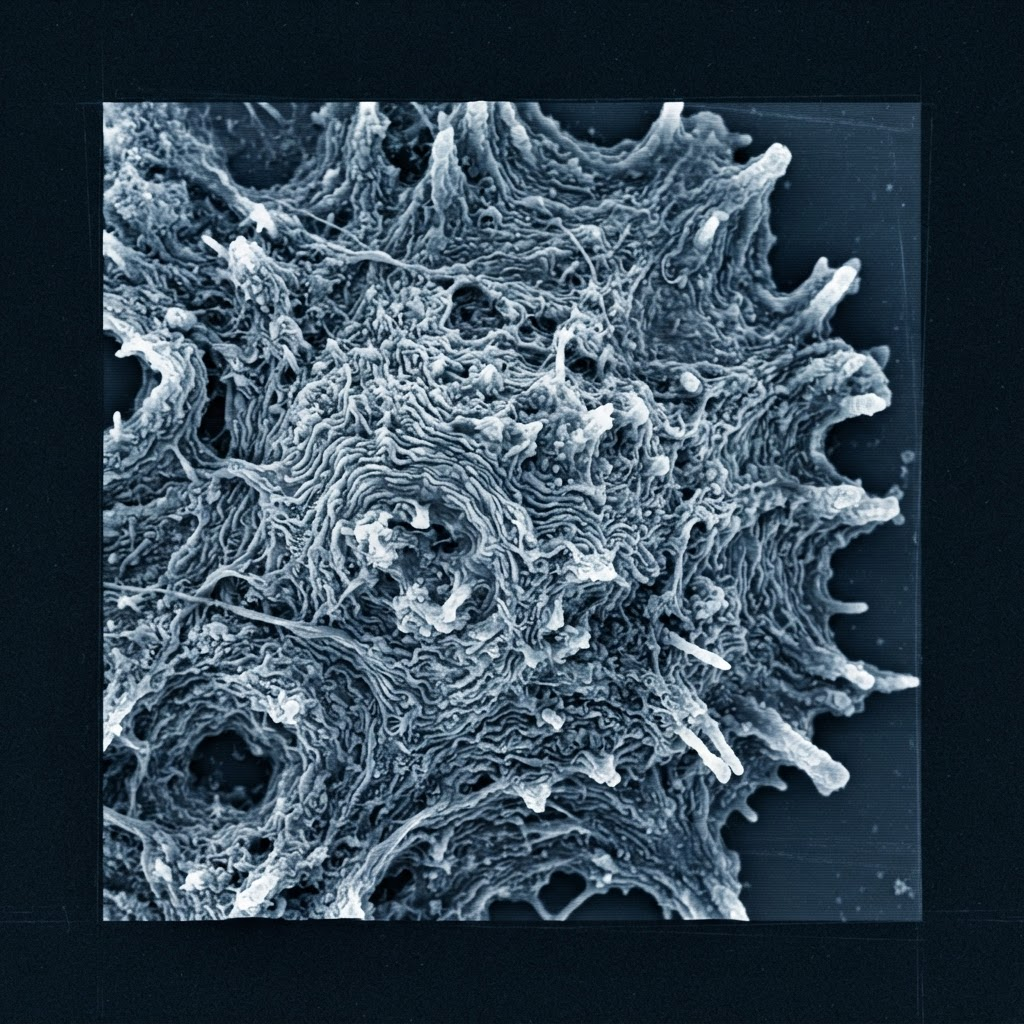
I used a range of mechanical characterization techniques on biological cells to distinguish the physical properties of normal cells from cancer cells — from breast to brain — as a route to earlier, physically grounded diagnosis.

Question
Can cancer cells be distinguished through their mechanical behavior?
Work / outcome
Investigated measurable differences and heterogeneity in malignant and non-malignant cell behavior.

Demonstrates Biomedical research · quantitative thinking · diagnostic translation

Explore project

PROJECT 03

Collaborative Translational Research · Targeted, localized cancer therapies

Collaborative Development of Targeted Cancer Therapies

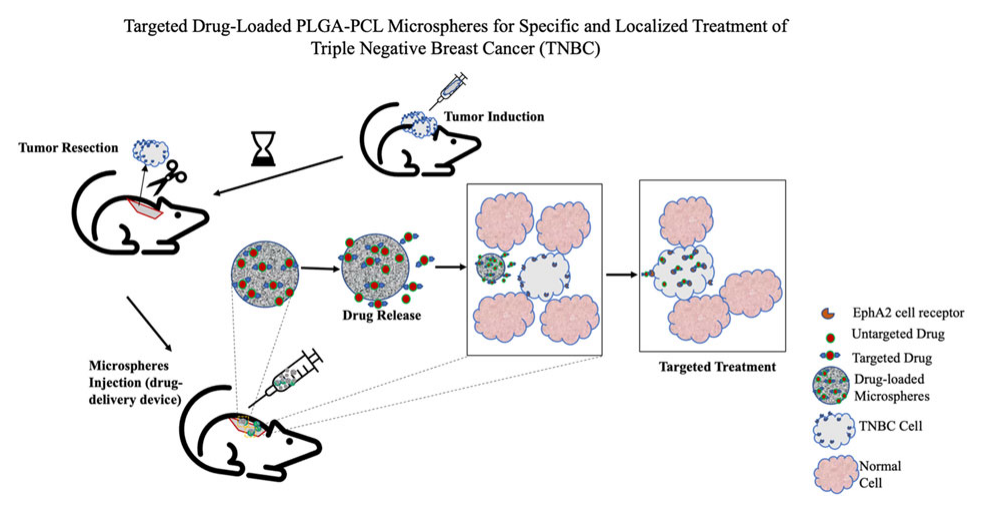
Collaborated on targeted, sustained-release therapies that pair biomaterials with receptor-specific drug delivery to treat cancer locally, reduce off-target exposure, and help prevent recurrence after tumor resection.

Question
How can a therapy concentrate its effect at the tumor site while reducing systemic toxicity and the risk of local recurrence?
Work / outcome
Contributed to peer-reviewed evidence for localized, receptor-targeted drug delivery and externally triggered hyperthermia across triple-negative breast and prostate cancer applications.

Demonstrates Targeted therapies · biomaterials innovation · translational cancer research

Explore project
PROJECT 02

IPS / BWXT Medical · $10M+ capital program

$10M+ Radiopharmaceutical Manufacturing Program

Leading CQV strategy and execution inside an active GMP radiopharmaceutical manufacturing facility supporting isotope-based medical products.

Question
How do you make critical manufacturing infrastructure ready for regulated production?
Work / outcome
Supporting clean-utility readiness, facility expansion, new drug line introduction, and compliant system turnover within an active GMP environment.

Demonstrates Regulated execution · cross-functional leadership · delivery discipline

Explore project
PROJECT 04

Life & MedTech Consulting · Earlier, more reliable detection

AI and the Future of Cancer Detection

Advised on AI-enabled breast-cancer detection — from clinical problem framing through SaMD regulatory pathway, risk management, and verification & validation considerations.

Question
What does it take for an AI healthcare idea to become a credible medical product?
Work / outcome
Supported partners developing AI-enabled breast-cancer detection solutions.

Demonstrates Healthcare AI fluency · SaMD context · careful translation

Explore project
PROJECT 05

Digital Health Platform · Secure second-opinion imaging

MedSecOp

Co-founded and lead a digital health platform that helps patients access specialist expertise and enables physicians to securely collaborate around diagnostic imaging.

Question
How can patients, imaging, and specialist expertise connect in one trustworthy workflow?
Work / outcome
Built a working digital health platform for imaging-led second opinions and clinical collaboration.

Demonstrates Product building · medical imaging · patient-centered execution

Explore project

04Collaborative Research

Targeted drug delivery therapies

Working alongside biomedical engineers and clinicians to design implantable, receptor-targeted, and sustained-release drug delivery systems for breast and prostate cancer.

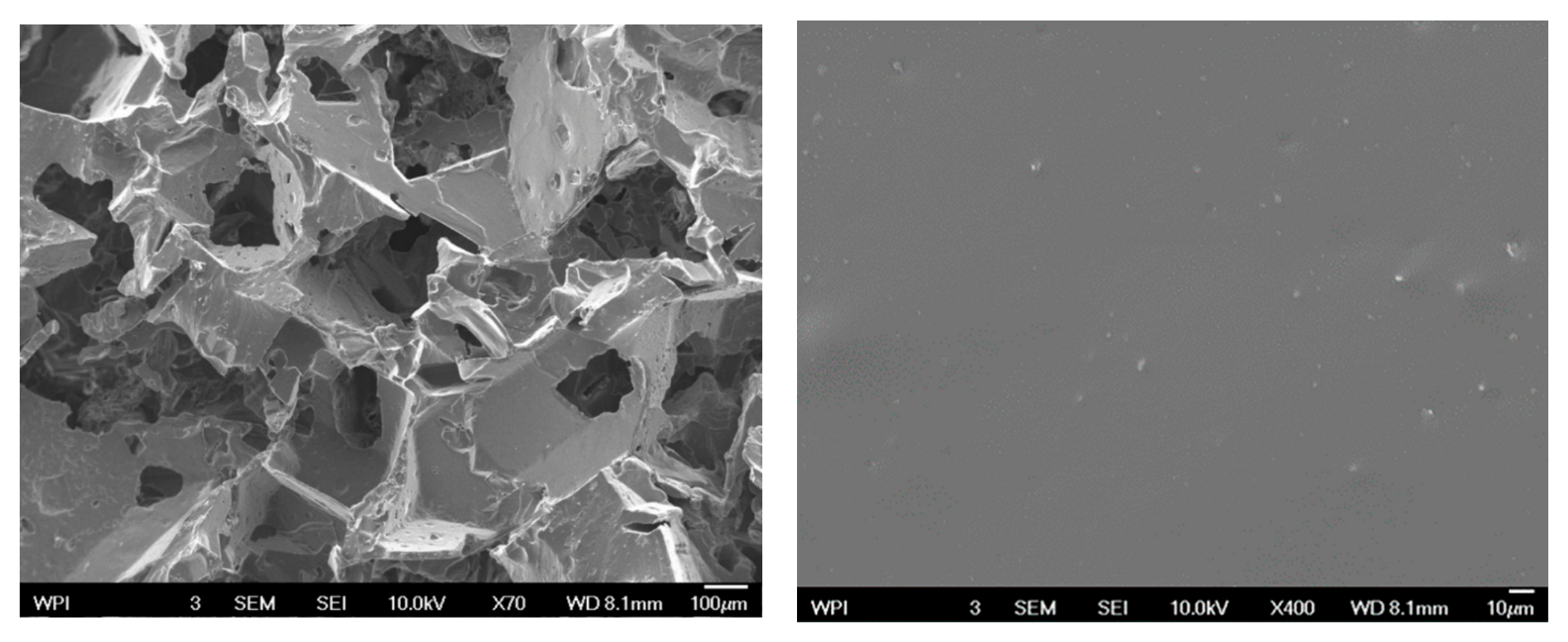
Graphical abstract / key figure from "Targeted drug-loaded PLGA-PCL microspheres for specific and localized treatment of triple negative breast cancer"
2023·Journal of Materials Science: Materials in Medicine

Targeted drug-loaded PLGA-PCL microspheres for specific and localized treatment of triple negative breast cancer

Nwazojie, Obayemi, Salifu, Borbor-Sawyer, Uzonwanne, Onyekanne, Akpan, Onwudiwe, Oparah, Odusanya, Soboyejo

EphA2-targeted prodigiosin and paclitaxel encapsulated in PLGA-PCL microspheres sustained drug release for 90–140 days, killed triple-negative breast cancer cells in vitro, and eliminated residual tumors in mice after surgical resection — with no metastasis or organ toxicity 12 weeks later. Non-targeted drug formulations, by contrast, allowed the tumors to regrow.

Graphical abstract / key figure from "Luteinizing Hormone-Releasing Hormone (LHRH)-Conjugated Cancer Drug Delivery from Magnetite Nanoparticle-Modified Microporous Poly-Di-Methyl-Siloxane (PDMS) Systems for the Targeted Treatment of Triple Negative Breast Cancer Cells"
2024·Journal of Functional Biomaterials

Luteinizing Hormone-Releasing Hormone (LHRH)-Conjugated Cancer Drug Delivery from Magnetite Nanoparticle-Modified Microporous Poly-Di-Methyl-Siloxane (PDMS) Systems for the Targeted Treatment of Triple Negative Breast Cancer Cells

Eluu, Obayemi, Yiporo, Salifu, Oko, Onwudiwe, Aina, Oparah, Ezeala, Etinosa, Osafo, Ugwu, Esimone, Soboyejo

LHRH-conjugated prodigiosin and paclitaxel released from magnetite-modified PDMS devices over 30 days at 37–44°C produced significantly higher triple-negative breast cancer growth inhibition than unconjugated drugs, with flow cytometry confirming induction of early- and late-stage apoptosis.

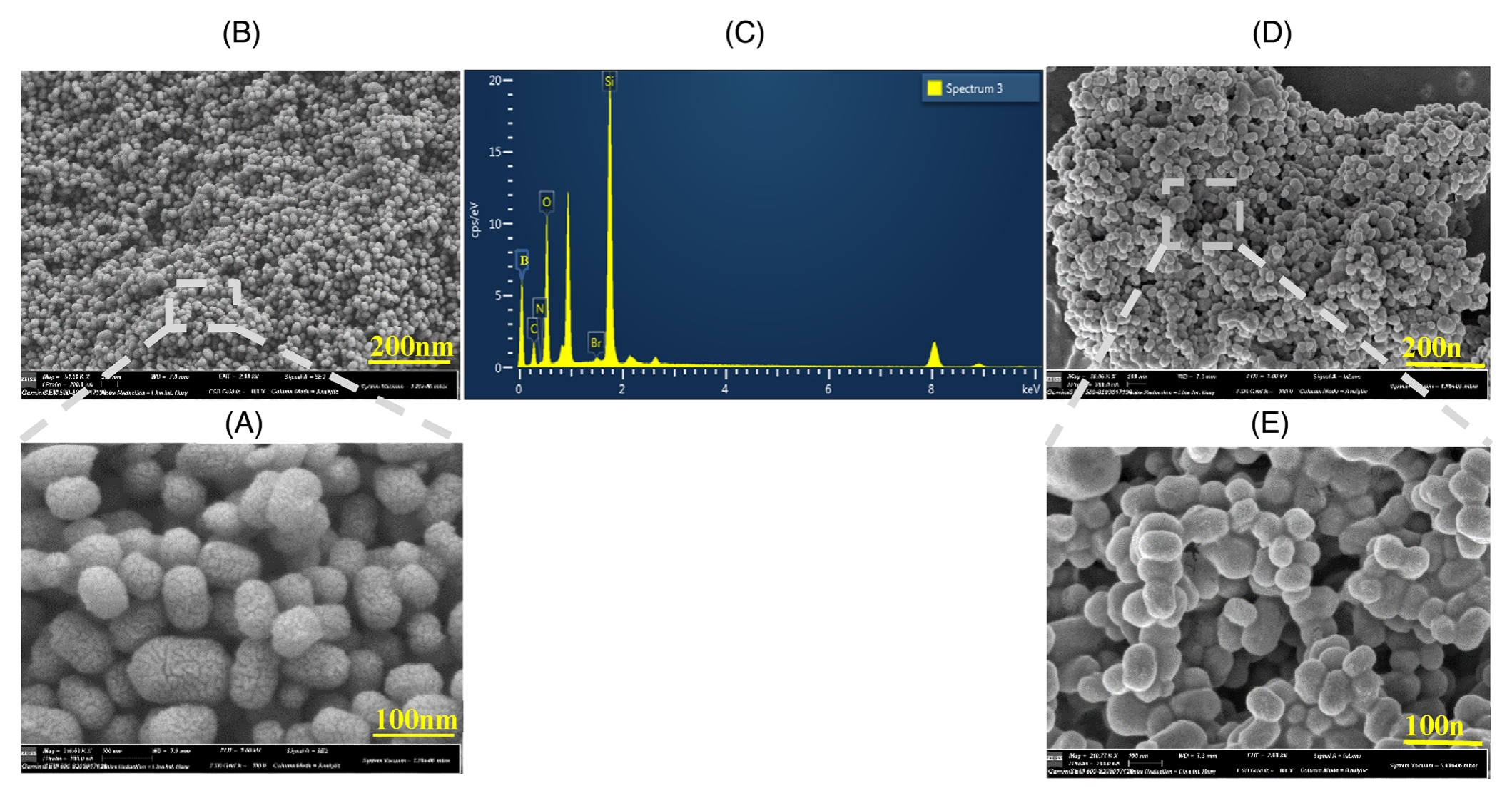
Graphical abstract / key figure from "Sustained release of alpha-methylacyl-CoA racemase (AMACR) antibody-conjugated and free doxorubicin from silica nanoparticles for prostate cancer cell growth inhibition"
2022·Journal of Biomedical Materials Research Part B

Sustained release of alpha-methylacyl-CoA racemase (AMACR) antibody-conjugated and free doxorubicin from silica nanoparticles for prostate cancer cell growth inhibition

Aina, Salifu, Kizhakkepura, Danyuo, Obayemi, Oparah, Ezenwafor, Onwudiwe, Ani, Biswas, Onyekanne, Odusanya, Madukwe, Soboyejo

Dextran-capped MCM-41 silica nanoparticles gave sustained release of doxorubicin over 30 days; the AMACR-antibody-targeted formulation outperformed free doxorubicin at inhibiting prostate cancer cell growth over 96 hours, with full release kinetics and thermodynamics characterized.

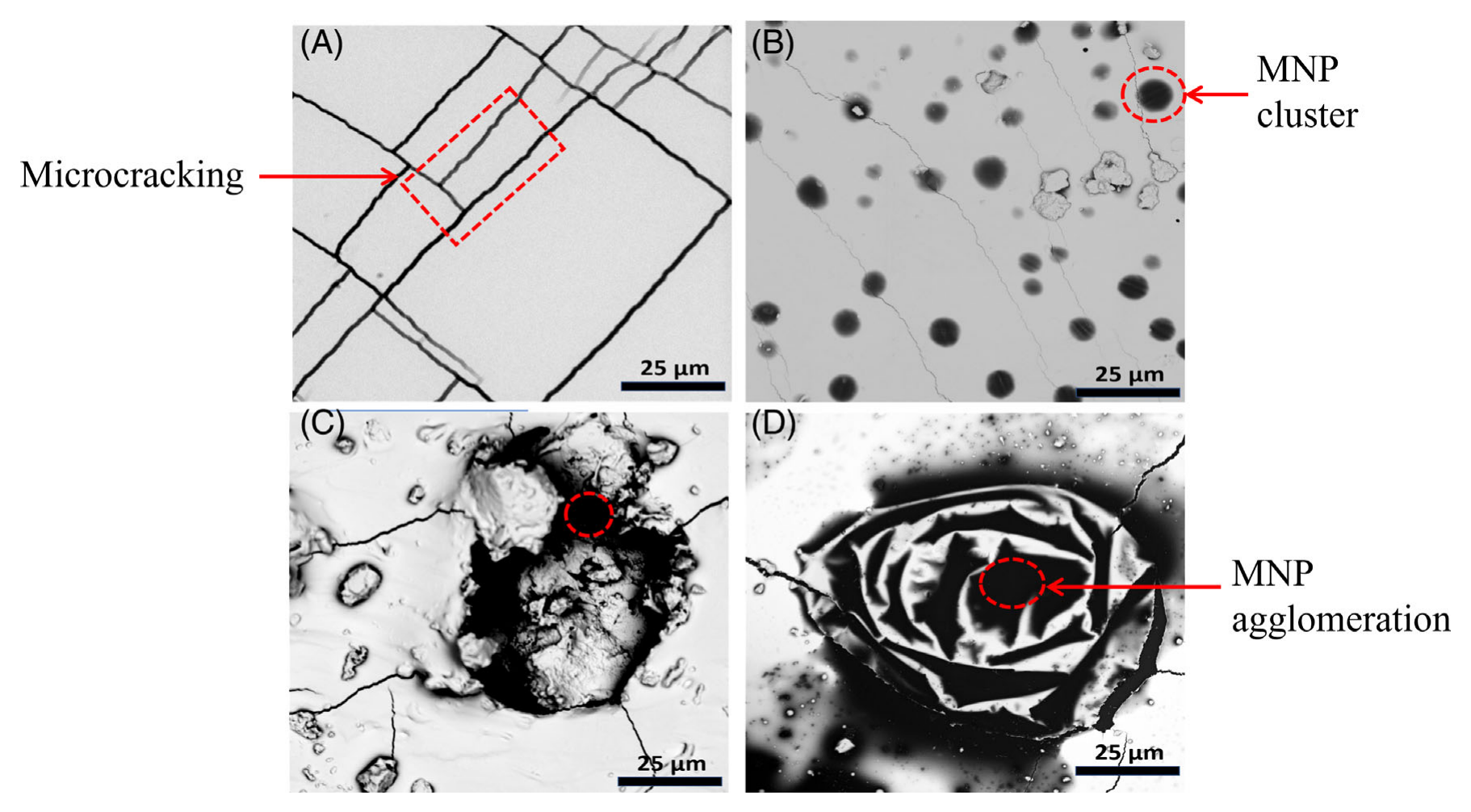
Graphical abstract / key figure from "Laser-induced heating of polydimethylsiloxane-magnetite nanocomposites for hyperthermic inhibition of triple-negative breast cancer cell proliferation"
2023·Journal of Biomedical Materials Research Part B

Laser-induced heating of polydimethylsiloxane-magnetite nanocomposites for hyperthermic inhibition of triple-negative breast cancer cell proliferation

Onyekanne, Salifu, Obayemi, Ani, Ashouri Choshali, Nwazojie, Onwudiwe, Oparah, Ezenwafor, Ezeala, Odusanya, Rahbar, Soboyejo

Near-infrared laser exposure of magnetite/PDMS nanocomposites reached hyperthermic temperatures (41–44°C), reduced triple-negative breast cancer cell viability in vitro, and heated safely through chicken tissue without physical damage — with a finite-element heat-transport model matching the experimental temperature and thermal-dose results.

View the full research library

05What I'm Building

MedSecOp — the future of collaborative diagnostics

I don't just talk about healthcare innovation — I build it. MedSecOp helps patients access specialist expertise and lets physicians securely collaborate around diagnostic imaging.

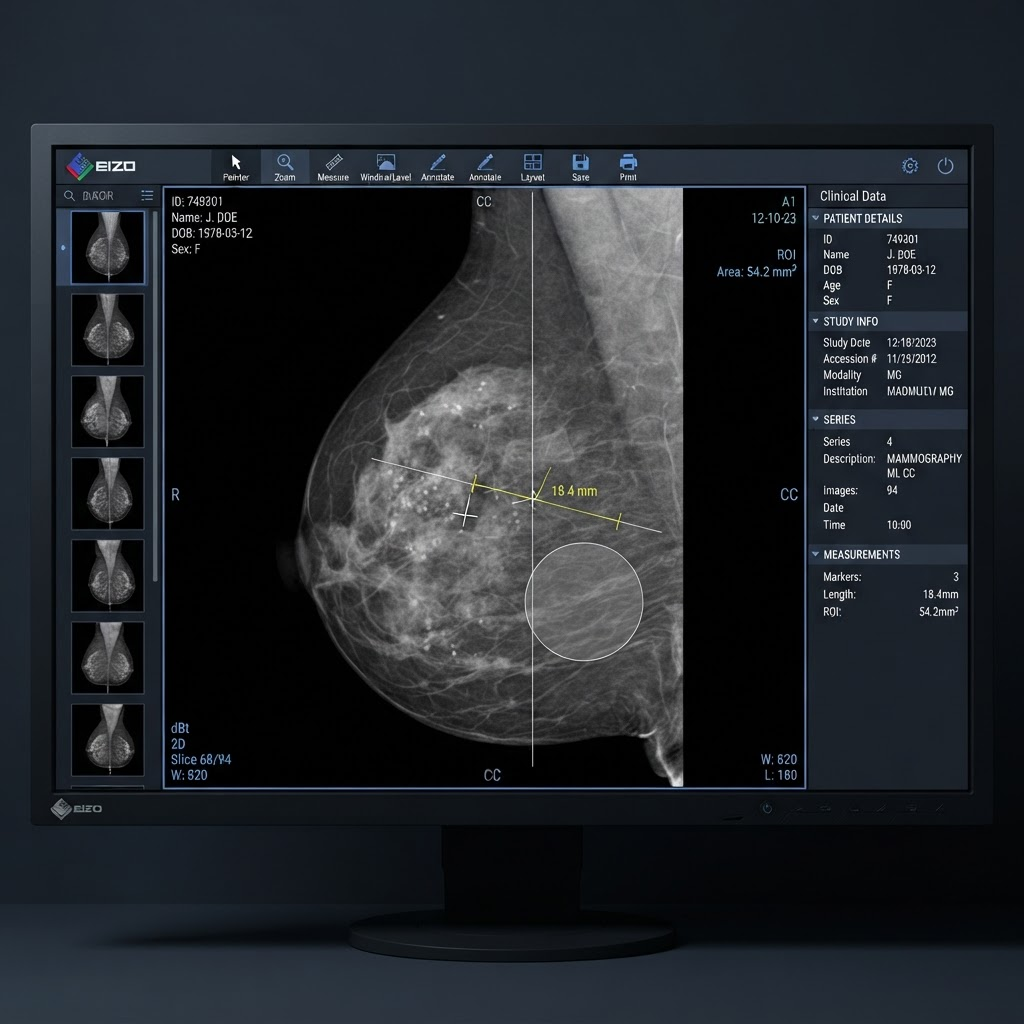
MedSecOp · DICOM viewersecond opinion
MedSecOp DICOM medical imaging viewer with clinical metadata and annotation tools

From a clinical problem to a product concept, an architecture, a platform, and a working clinical workflow — MedSecOp demonstrates the full arc of turning a healthcare need into secure, usable technology.

  • Patient portal
  • Physician portal
  • DICOM viewer
  • Case management
  • Imaging workflow
  • Second-opinion workflow